UK eSIM: data from the moment you land
Set up a UK travel eSIM before you fly, connect the moment you land, and skip the local SIM queue for a short trip.
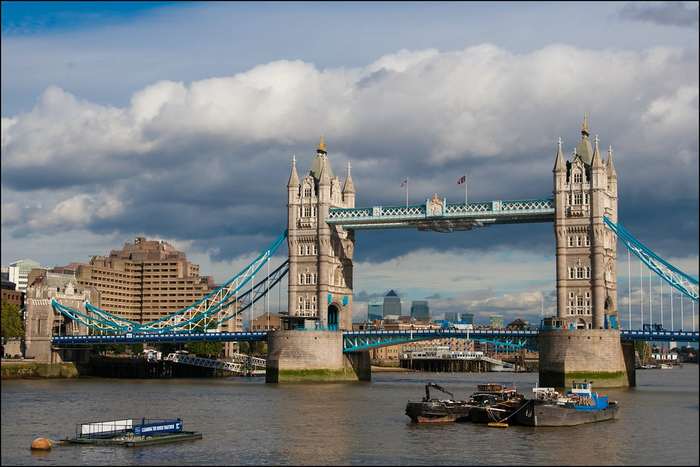
You step off the plane at Heathrow or Manchester, and your phone is already online. No SIM shop, no passport photocopy, no hunting for a kiosk before the taxi rank. A UK travel eSIM loads onto your phone before you leave home, so data starts working as soon as you land.
An eSIM is a built-in digital SIM. You add a plan by scanning a QR code, and Simzora emails that code within minutes of purchase. This guide covers how to connect at the airport, what coverage looks like in London and the rest of the UK, and how an eSIM compares to a local SIM for a short trip.
Connect the moment you land
Buy your plan a day or two before you travel and install it while you still have home wifi. On an iPhone you add it under Settings, then Cellular, then Add eSIM, and scan the QR code from your email. On Android the path is Settings, then Network, then SIMs, then Add eSIM.
Installing early does not use any data. Most plans start on first use or let you set an activation time, so the countdown begins when you reach the UK, not when you install. When you land, turn off airplane mode, switch the eSIM line on for data, and turn on data roaming for that line. You are connected before you reach baggage claim.
Check your phone first
A travel eSIM needs a phone that supports eSIM and is not network locked. Most flagship models from around 2022 onward qualify. To confirm eSIM support, open Settings, then General, then About, and look for an EID number before you buy.
Coverage in London and beyond
A UK travel eSIM roams onto the country's mobile networks, the same ones locals use, so you get data in London and across England, Scotland, Wales, and Northern Ireland. City centres, airports, train stations, and major roads have strong 4G and 5G.
Above ground in London you will have reliable service for maps, ride apps, and messaging. Coverage on the Underground is still expanding station by station, so expect gaps in some tunnels. In remote areas like the Highlands or parts of the Lake District, signal can thin out, which is normal for any network.
eSIM vs a UK local SIM for a short trip
For a trip of a few days to a couple of weeks, an eSIM usually wins on convenience. You skip the airport SIM counter, you keep your normal number active for calls and WhatsApp, and you can hold your home SIM and the travel eSIM on the phone at the same time. There is nothing physical to swap or lose.
A UK local SIM can make sense for a long stay, or if you need a UK phone number for local calls and account verification. For most visitors who mainly want data for maps, messaging, and browsing, an eSIM is simpler and ready before you arrive.
Choosing the right plan
Match the plan to how you use data. Light users who stick to maps, chat, and email can cover a whole trip on a few gigabytes. If you stream video, video call often, or share the connection with a laptop, choose a larger allowance or a plan with a set daily data amount.
Simzora covers the UK as part of 180 plus countries, with fixed-data plans and higher-use options that give you full-speed data each day. If you run low, you can buy another plan and install it the same way, so you are never stuck offline.
Key takeaways
- Install the eSIM on home wifi before you fly, so data works the moment you land in the UK.
- A UK travel eSIM roams onto local networks and gives strong coverage in London and other cities.
- You keep your own number and WhatsApp active while the eSIM handles data.
- For short trips an eSIM beats the airport SIM queue; a local SIM suits long stays that need a UK number.
- Your phone must support eSIM and be unlocked, and Simzora emails the QR code within minutes.